The Real Truth: Act Crm or Salesmate Crm?
For electronics businesses, choosing a customer relationship management platform is rarely a minor software decision. It affects how leads are tracked, how repeat buyers are nurtured, how service teams manage follow-ups, and how sales pipelines stay organized when product catalogs, channel partners, warranties, and post-sale support all compete for attention. In that context, the debate around Act Crm versus Salesmate Crm is not just about features on a pricing page. It is about fit.
Electronics sellers, distributors, repair-focused retailers, B2B component suppliers, and installation-driven companies often need more than a simple digital address book. They need a system that can keep account histories clear, surface follow-up opportunities, support multi-step sales cycles, and help teams avoid losing track of customers who may buy infrequently but at high value. Some organizations also care about local control and legacy contact management, while others want automation, mobility, and a modern interface for growing teams.
This article takes a practical look at both platforms. Rather than repeating marketing claims, it focuses on what real buyers typically care about: usability, contact and pipeline management, automation, reporting, deployment style, scalability, and how each option fits common electronics-sector workflows. The real truth is that both tools can work well, but they are built for somewhat different kinds of businesses and operating styles.
What Electronics Businesses Usually Need From a CRM
Before comparing these two products directly, it helps to understand the pressure points in the electronics category. A consumer electronics store has different priorities than a B2B supplier of industrial sensors, but some needs overlap consistently.
- Lead tracking across long sales cycles: Many electronics purchases involve demos, quoting, technical questions, approvals, or inventory timing.
- Account-level relationship history: Teams need to remember which products a customer bought, when service issues occurred, and who the internal decision-makers are.
- Follow-up discipline: Whether dealing with resellers, installers, or enterprise buyers, neglected follow-ups can mean lost revenue.
- Mobile access: Field reps, installers, and account managers often need information while traveling or at client sites.
- Automation: Repetitive tasks such as reminders, email sequences, and task assignments can drain time from sales staff.
- Reporting: Managers want visibility into pipeline value, rep activity, conversion trends, and account health.
With those priorities in mind, the differences between Act Crm and Salesmate Crm become much easier to evaluate.
Act Crm Overview
Act Crm has long been known as a contact-centric CRM platform with roots in traditional sales management and customer database organization. It often appeals to businesses that want structured customer records, familiar CRM concepts, and a system that can serve as a central hub for contacts, notes, histories, and sales opportunities.
In practical use, Act Crm tends to resonate with companies that value a strong recordkeeping culture. For an electronics distributor with years of existing account relationships, or a service-oriented retailer that wants detailed notes on customer interactions, warranties, and communication history, that emphasis can be valuable. Teams used to maintaining dense customer files may find Act’s approach reassuring rather than overwhelming.
Act Crm is particularly relevant when a business places high value on data ownership, established workflows, and continuity with older contact management habits. In some environments, especially among smaller firms with experienced sales staff, modern visual flair is less important than a trusted system that reliably stores everything in one place.
Where Act Crm Stands Out
One of Act Crm’s core strengths is relationship depth. It is often strong at preserving detailed customer histories, notes, tasks, and communication context around each contact or company. That can matter in electronics sectors where one account may go quiet for months and then return for a substantial reorder, upgrade, or replacement project. When the full history is captured properly, the business is less dependent on the memory of one salesperson.
Another advantage is its appeal to teams that prefer a more traditional CRM operating model. For businesses that have used older desktop-style business software or have long-established internal processes, Act Crm can feel more grounded and deliberate than some highly streamlined newer tools.
For example, a regional AV equipment integrator may have a modest-sized team but hundreds of historical commercial accounts, each with custom notes, project details, installation quirks, and service timelines. In that environment, a CRM that emphasizes durable recordkeeping and customer context may be more useful than one centered mainly on lightweight pipeline visuals.
Potential Limitations of Act Crm
The same traditional structure that appeals to some users may feel dated to others. Modern sales teams often expect intuitive dashboards, easy workflow automation, and smooth mobile experiences from day one. If a company wants a highly contemporary interface with quick onboarding for younger reps or distributed teams, Act Crm may require more adjustment.
It may also be less attractive for businesses that want aggressive automation and a cloud-first operating style without much setup complexity. Electronics startups, fast-scaling e-commerce brands, or inside-sales-heavy organizations may prefer a system that feels more natively built for automated workflows and modern communication channels.
Discover deals on Electronics — updated daily.
Shop Amazon →Act Crm Pros and Cons
Pros
- Strong contact and account history management for businesses that rely on detailed customer records
- Useful for long-term relationship selling where notes, follow-ups, and account context matter
- Appeals to teams with established CRM habits and more traditional workflow preferences
- Can suit smaller electronics firms that want a dependable central database rather than a flashy sales platform
Cons
- May feel less modern than newer cloud-first competitors
- Can be less intuitive for fast-moving teams that want rapid onboarding and lighter interfaces
- May not be the first choice for automation-focused buyers prioritizing streamlined sequence building and workflow logic
- Could be a tougher sell for mobile-first sales organizations that live in the field
Salesmate Crm Overview
Salesmate Crm is typically positioned as a more modern, sales-driven CRM that emphasizes usability, automation, communication features, and team productivity. It tends to appeal to companies that want a cleaner interface, faster implementation, and tools that help sales teams move opportunities through a visible pipeline with less manual effort.
For many electronics businesses, that can be a meaningful advantage. Whether the company sells smart home products, B2B networking equipment, repair subscriptions, or commercial electronics solutions, speed matters. Teams need to reply quickly, assign tasks automatically, and maintain momentum in competitive deals. Salesmate often aligns well with that kind of working style.
A business with multiple inbound lead sources, such as web forms, demos, channel referrals, and customer support conversions, may especially appreciate a CRM that makes pipeline movement and team coordination easier to understand at a glance. For firms trying to formalize their sales process without drowning in admin work, Salesmate often feels more accessible.
Where Salesmate Crm Stands Out
One of Salesmate’s main strengths is usability. Many buyers value software that does not require extensive retraining, and modern sales teams usually respond well to interfaces that make the next action obvious. In the electronics category, where sales reps may already juggle product specs, stock timing, technical objections, and account updates, a simpler CRM experience can improve consistency.
Automation is another major draw. If a lead downloads a product brochure, requests a quote, or books a consultation for surveillance hardware or point-of-sale equipment, the CRM should ideally trigger reminders, assign ownership, and schedule follow-up actions without requiring manual intervention every time. This is especially important for electronics companies with lean teams.
Salesmate also tends to fit organizations that expect mobility and collaboration. Consider a commercial security equipment reseller with outside reps visiting c…
Potential Limitations of Salesmate Crm
While Salesmate often scores well on modern usability and sales momentum, some businesses may find that highly detailed historical account management is less central to its identity than it is for older, contact-heavy systems. If an organization’s culture revolves around exhaustive customer files and longstanding relationship notes, it should evaluate whether the platform’s structure matches that expectation.
Some electronics businesses also do not need a sales-acceleration style CRM. A small operation with a stable client base, limited growth pressure, and an emphasis on internal continuity may not benefit enough from modern automation features to justify a change in process or mindset.
Salesmate Crm Pros and Cons
Pros
- Modern interface that is often easier for teams to adopt quickly
- Strong pipeline visibility for active sales environments and opportunity tracking
- Helpful automation capabilities that reduce repetitive admin tasks
- Well suited to mobile and distributed teams working across offices or client locations
Cons
- May be less ideal for businesses centered on legacy-style recordkeeping and extremely detailed manual account histories
- Could feel more sales-process-oriented than relationship-archive-oriented for some users
- May offer more speed than necessary for small, low-volume operations with simple customer management needs
- Requires process discipline to get the most value from automation and pipeline stages
Act Crm vs Salesmate Crm: Side-by-Side Comparison
| Category | Act Crm | Salesmate Crm |
|---|---|---|
| Core Identity | Traditional relationship and contact management CRM | Modern, sales-focused CRM with automation emphasis |
| Best For | Businesses valuing detailed account history and established workflows | Teams wanting speed, pipeline clarity, and easier adoption |
| User Experience | More classic and structured | More contemporary and streamlined |
| Pipeline Management | Functional, but may feel less dynamic | Often a stronger fit for active visual pipeline management |
| Automation | Can support process management, but not usually its headline strength | Typically more attractive to automation-minded buyers |
| Mobile/Field Use | May be less naturally appealing to mobile-first teams | Generally better aligned with cloud and mobile work styles |
| Learning Curve | May suit experienced CRM users more than beginners | Often easier for newer users to understand quickly |
| Electronics Use Case Fit | Strong for account retention, service histories, and long-term customer context | Strong for lead flow, active selling, and responsive team collaboration |
Which CRM Is Better for Different Electronics Buyers?
For Electronics Retailers
If the business mainly wants to organize customer details, service reminders, and occasional follow-up after big-ticket purchases, Act Crm can make sense when relationship continuity is the priority. However, if the retailer is actively generating leads through digital channels, appointment booking, or outbound promotion, Salesmate Crm may offer a better day-to-day workflow.
For B2B Electronics Distributors
B2B distributors often operate somewhere in the middle. They need detailed account histories, but they also need strong pipeline management for quotes and recurring opportunities. If the sales motion is heavily relationship-based and tied to long-standing reps, Act Crm may feel more natural. If the company wants standardized process execution across a team and better activity visibility for management, Salesmate Crm likely has the edge.
For Installers and Field Sales Teams
Businesses selling structured cabling, commercial display systems, smart security products, or integrated hardware solutions often depend on mobile reps and field follow-ups. In these environments, Salesmate Crm usually appears more attractive because ease of use and mobile-friendly workflow matter so much. Reps need to update the system quickly rather than treat the CRM as an end-of-day data entry obligation.
For Service-Heavy Electronics Companies
Repair shops, refurbishment specialists, and warranty-driven businesses often benefit from rich customer timelines and detailed notes. Act Crm may be especially appealing where every account has nuanced history and repeat business depends on remembering prior issues accurately.
Find top-rated Electronics products at great prices.
View Offers →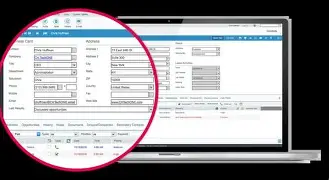
Buying Guide: How to Choose Between Act Crm and Salesmate Crm
Buyers should avoid choosing based only on feature quantity. The better question is which platform better supports the way the business actually sells, follows up, and retains customers.

1. Evaluate Team Work Style
If the team is experienced, process-stable, and comfortable with more traditional CRM habits, Act Crm may align well. If the team values speed, simplicity, and rapid onboarding, Salesmate Crm is often the safer fit.
2. Think About Customer Relationship Depth
Businesses with long account histories, recurring service interactions, and relationship-driven selling should carefully assess how much detailed historical context they need at their fingertips. If preserving a deep narrative around each customer is critical, Act Crm deserves serious attention.
3. Measure the Need for Automation
For electronics businesses handling frequent lead intake, quote requests, demos, or outbound follow-up campaigns, automation can save significant time. Salesmate Crm is generally more compelling when workflow efficiency and repetitive task reduction are top goals.
4. Consider Mobility and Cloud Expectations
Companies with field sales reps, remote teams, or multi-location coordination should give extra weight to mobile usability and cloud-native convenience. In these cases, Salesmate Crm often looks more future-ready.
5. Review Reporting Priorities
Sales leaders should ask what they want to see each week. If the focus is on activity tracking, stage progression, and pipeline momentum, a modern sales-oriented CRM may provide better visibility. If the focus is on maintaining structured customer records and relationship continuity, the older-school model may still win.
6. Match the CRM to Business Size and Change Tolerance
Some smaller electronics firms do not need a transformative platform. They need reliability, familiarity, and organized data. Others are growing quickly and need a CRM that helps them scale faster. The right answer depends partly on whether the company is preserving an existing selling style or trying to evolve one.
The Real Truth
The real truth is that Act Crm and Salesmate Crm are not interchangeable, even if they overlap in broad CRM functionality. Act Crm generally makes more sense for electronics businesses that care deeply about customer record depth, continuity, and traditional relationship management. It is often a better fit for firms that want a dependable system of record and do not mind a more classic CRM feel.
Salesmate Crm, by contrast, is usually the better choice for electronics companies that want a modern interface, stronger workflow momentum, easier team adoption, and automation that reduces admin work. It tends to suit organizations with active pipelines, distributed reps, and growth-minded management looking for visibility and speed.
For buyers in the electronics category, the smarter choice is not the one with the longest feature list. It is the one that best matches how customers are acquired, how salespeople actually work, and how much structure the business can realistically maintain. If relationship memory and account depth come first, Act Crm remains a credible option. If agility, simplicity, and sales execution matter more, Salesmate Crm will often be the stronger pick.
In short, Act Crm is often the better fit for businesses that want to preserve and manage relationships in depth, while Salesmate Crm is frequently the better fit for businesses that want to move opportunities faster and run a more modern sales process. For most electronics teams prioritizing usability and momentum, Salesmate Crm may have the broader appeal, but Act Crm still has a clear place where customer history is the center of the business.